

'Which is better for wireless keyboards: built-in battery or replaceable batteries?'
The current mainstream for external keyboards is wireless keyboards. Wireless keyboards are available in both battery-powered and rechargeable (built-in battery) types, but which should you choose?
Modified at: 2025.6.18Posted at: 2022.6.29
Advantages and Disadvantages of Battery-Powered Wireless Keyboards
Advantages of Battery-Powered Keyboards
The biggest advantage of battery-powered keyboards is their convenience.
Most modern battery-powered wireless keyboards can be charged via universal ports such as USB, allowing you to charge them using the USB adapter or PC USB port you typically use for your smartphone. Depending on the model, some keyboards can even be used while charging.
The ability to switch between "wired with USB when the battery runs out" and "wireless when fully charged" is surprisingly convenient.
Another significant advantage of battery-powered wireless keyboards is cost-efficiency. While the purchase cost of wireless keyboards is similar whether they are battery-powered or use disposable batteries, the latter incur ongoing costs as you need to buy replacement batteries. Battery-powered keyboards eliminate the need for disposable batteries, and the electricity cost is negligible—just a few yen per month.
Disadvantages of Battery-Powered Keyboards
Despite their many advantages, battery-powered wireless keyboards also have some downsides.
If the model does not support USB usage, the keyboard becomes unusable once the battery runs out. This may not be an issue at home or in the office, but it can be problematic when you're on the go and unable to charge.
If you're concerned about running out of battery, carrying a mobile battery or USB adapter is a good idea. These days, there are many compact, high-performance mobile batteries available, and many people carry them regularly for their smartphones. In this sense, having a small mobile battery with about 5,000mAh capacity can be very convenient.
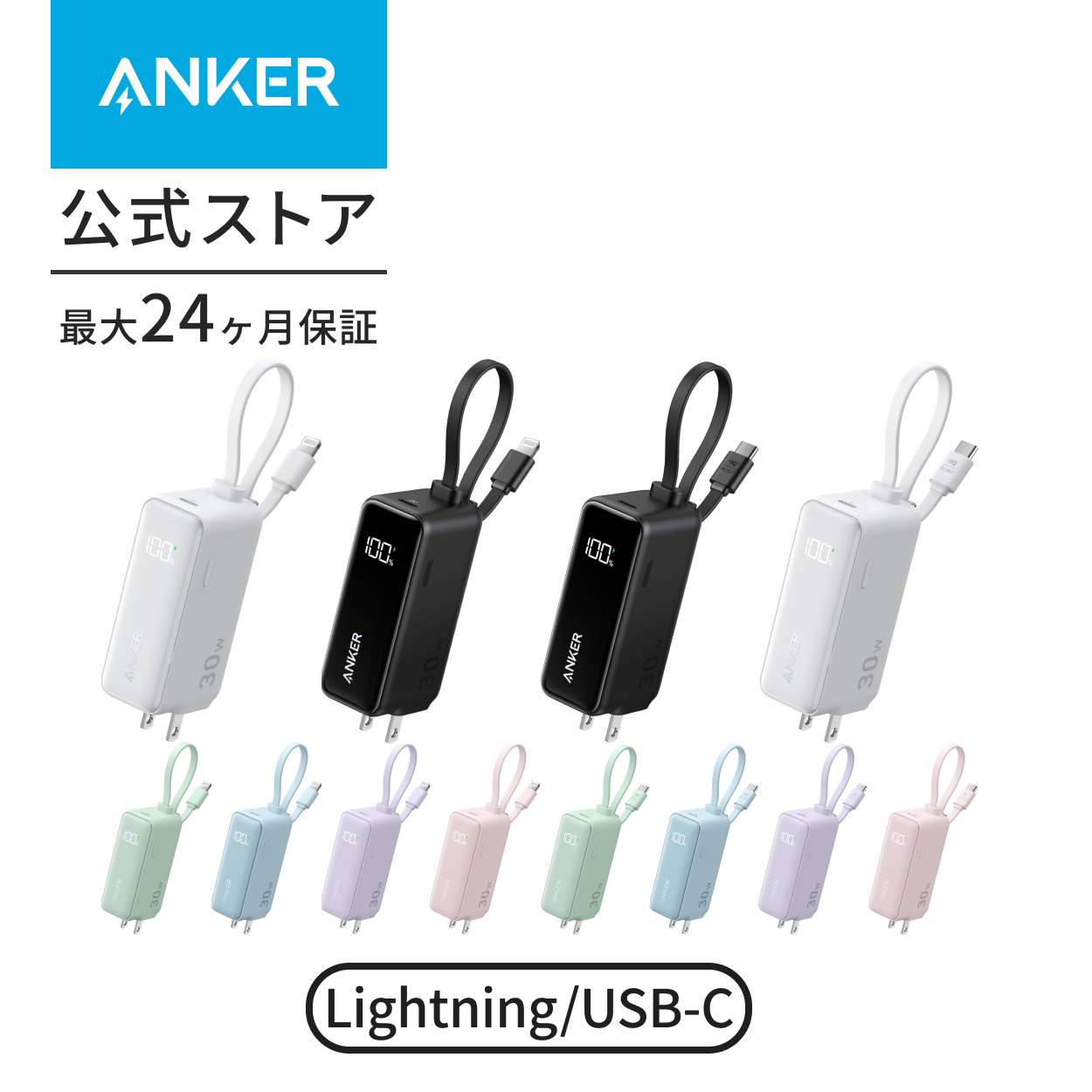
Additionally, as batteries degrade over time, they may eventually become unusable. For wireless keyboards that rely solely on battery power, a dead battery means the keyboard will no longer function. However, if the keyboard also has a USB port, it can still be used as a wired keyboard in such cases.
Therefore, when purchasing a battery-powered wireless keyboard, it’s important to choose a model that supports both wireless and USB connections.
Advantages and Disadvantages of Battery-Powered Keyboards
Advantages of Battery-Powered Keyboards
The key advantage of battery-powered keyboards is their "long-lasting and immediate usability."
Unlike rechargeable batteries, they do not require charging. Simply open the battery cover of the keyboard, replace the batteries, and it's ready to use at full charge. Since you operate by replacing the batteries when they run out, the keyboard itself can be used for many years.
For example, the Apple Wireless Keyboard, known for its slim design, had older models that used AA batteries (current models are rechargeable). Despite being over 10 years old, these models are still in active use, demonstrating their longevity.
Additionally, if you run out of power while on the go, AA batteries are sold at most convenience stores, so you can easily purchase new ones and continue using your keyboard. This is another significant advantage.
Disadvantages of Battery-Powered Keyboards
The biggest disadvantage of battery-powered keyboards is the maintenance cost.
Since you need to buy new batteries whenever they run out, the long-term cost can be significant. Using rechargeable batteries like Eneloop can help reduce costs to some extent, but additional expenses outside of the keyboard are inevitable.
Moreover, due to the thickness of AA batteries, there are very few slim keyboard models available. For mobile use where portability is important, the thickness of the keyboard can be a downside.
Comparison of Battery-Powered and Dry Cell Wireless Keyboards
Finally, let's take a look at the advantages and disadvantages of each.
| Type | Advantages | Disadvantages |
|---|---|---|
| Rechargeable | Can be charged via USB Reusable through repeated charging No need to buy batteries | Cannot be used wirelessly if battery dies Must monitor battery level |
| Battery-Powered | No battery lifespan concerns Full power immediately after replacement Long total life | Higher ongoing battery costs Few ultra-thin keyboard options |
Both types have their own pros and cons.
While rechargeable wireless keyboards are currently mainstream, as shown above, battery-powered wireless keyboards also offer many advantages.
Which is better depends on your usage and preferences, so consider the merits and demerits carefully to find the optimal wireless keyboard for you.